Articles

Preparation notes you can use before any installer visit

Each article focuses on one decision homeowners face early — reading a bill, spotting shade, checking a panel label, or calling a permit office. No equipment rankings, no installation booking — just concrete steps and the questions worth asking next.

Bookshelf with labeled binders titled Roof Notes and Meter Records, a few printed article drafts with roof diagrams clipped on top, a desk lamp and pencil cup, calm neutral tones, no brand logos, 1200x800

All Articles

Newest first — four guides for common preparation steps

Kitchen table with a spread-out utility bill showing bar graphs of monthly electricity use, a calculator, a pen, and a sticky note listing appliance names, morning light through a window on the left, no visible account numbers, 1200x750
4 min read Elena Morrison

What Your Utility Bill Reveals Before You Count Panels

Most homeowners skip straight to panel wattage. Your bill already shows seasonal swings, baseline loads, and the months where air conditioning dominates — clues that change how many modules actually make sense.

Read Article
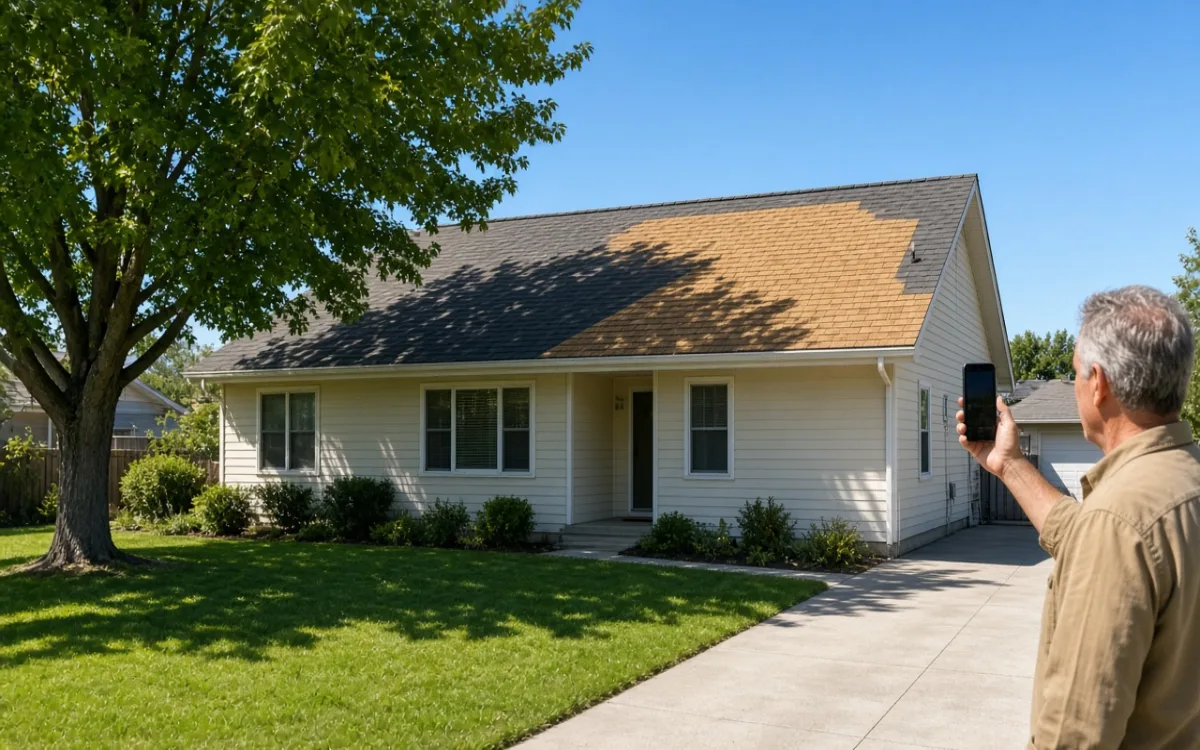
Single-story home roof viewed from the driveway at midday, a large maple tree casting a sharp triangular shadow across the south-facing slope, a person holding a phone for reference at the edge of frame, bright clear sky, no brand logos, 1200x750
3 min read James Whitfield

Why Roof Shade at Noon Matters More Than a Drone Photo

Drone surveys look impressive, but they often miss the hour when production peaks. Standing in your yard at noon reveals whether a branch, dormer, or neighbor roofline cuts into the space you assumed was open.

Read Article
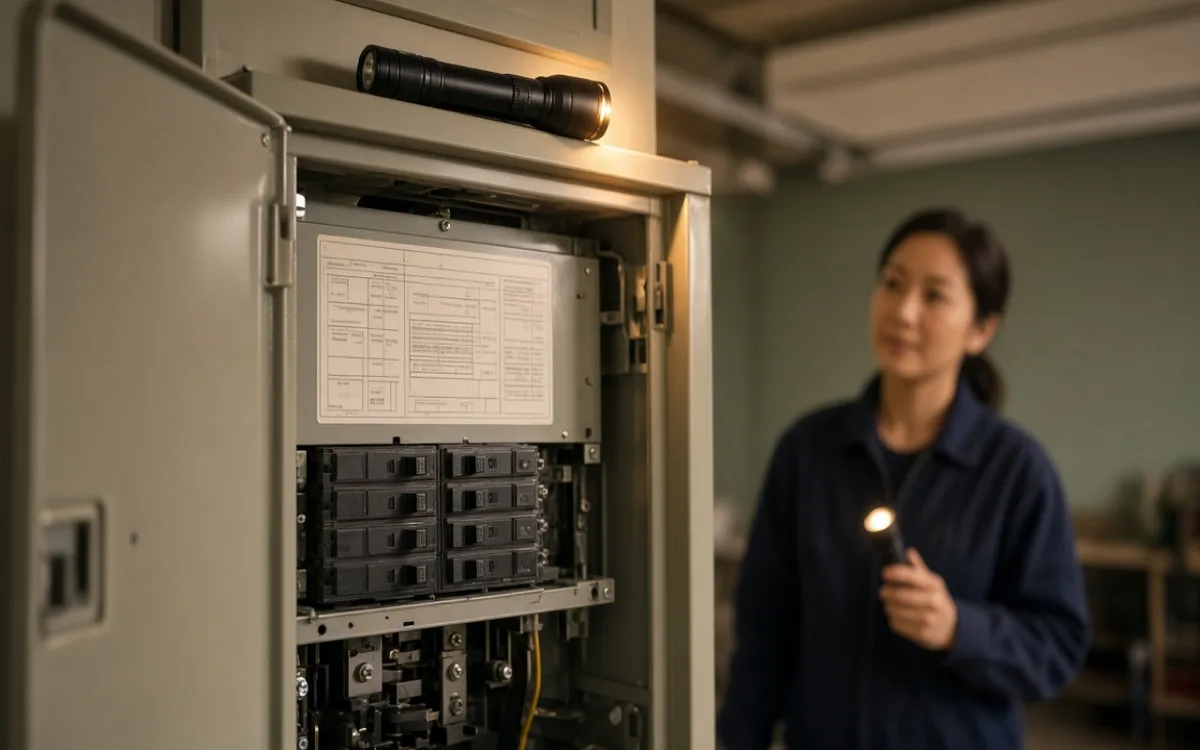
Close-up of a residential main electrical panel door open to show a printed manufacturer label with amperage and bus rating text, a flashlight resting on the panel rim, garage interior wall in soft focus behind, no legible serial numbers, 1200x750
5 min read Rachel Nguyen

How to Read Your Main Panel Label Before Sizing Solar

The sticker inside your panel door tells you more than most proposals acknowledge. Bus rating, main breaker size, and spare spaces determine whether an inverter location is realistic — or needs an upgrade quote you should see upfront.

Read Article

Need Help With Your Specific Home?

Articles cover common patterns — your roof and meter may tell a different story. Send us your notes and we help you organize the next questions.

Contact Us

Learn About RoofMeter Guide

Our editorial approach, boundaries, and how we work with homeowner requests — without selling equipment or booking crews.

Learn More

Important Information

The materials on this site provide knowledge about residential solar preparation — roof assessment, shade observation, utility review, and permit planning. They are intended to help you understand the steps involved before contacting licensed professionals.

RoofMeter Guide is not a solar installation company. We do not visit homes to mount panels, schedule installations, or provide project quotes. We are also not a retail store: we do not sell panels, inverters, batteries, or compare equipment brands and models.

We do not promise payback timelines, specific savings figures, zero utility bills, or free electricity. Tax credits, utility rates, and interconnection rules change by state and provider — consult official government and utility sources for current information.

Grid interconnection, work inside your electrical panel, and structural roof assessments require licensed electricians, engineers, and local authorities. Do not attempt these tasks yourself based on website content.

Every home differs in roof condition, shading, consumption, and budget. A plan that worked for a neighbor may not fit your property. Any decisions about system size, equipment, or contractors are yours alone.