County Permit Questions Before Your First Installer Visit
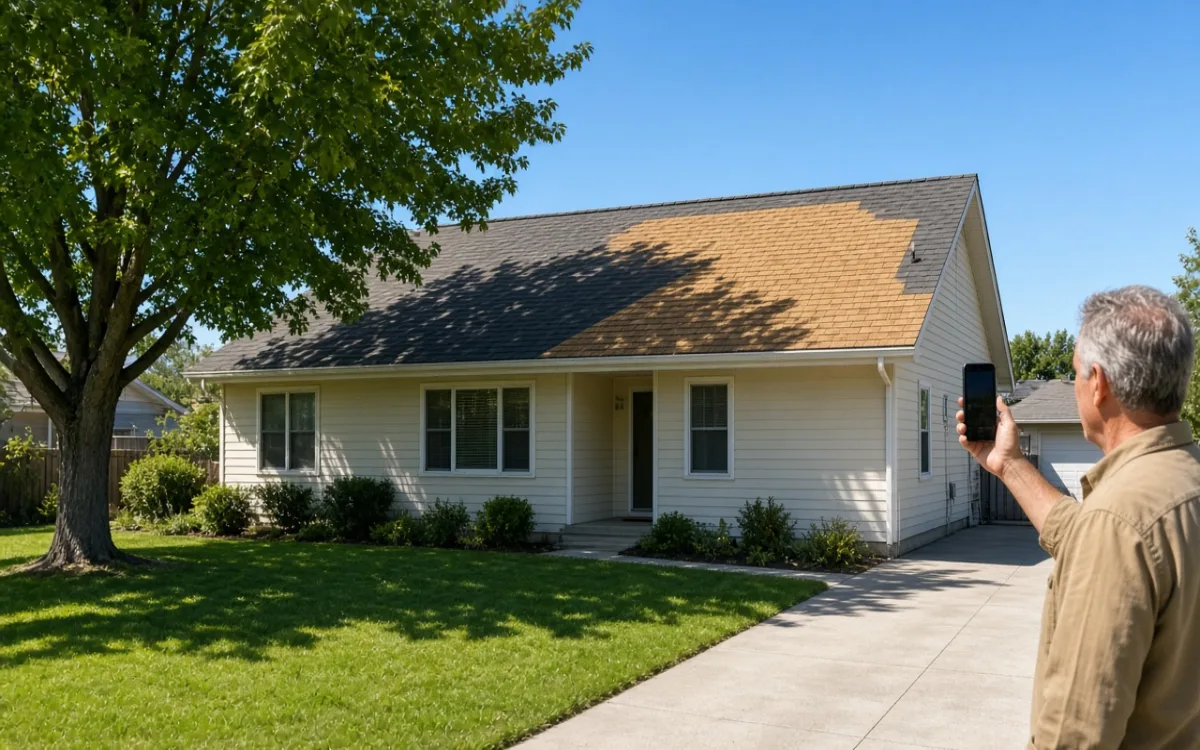
The racks arrived on a Tuesday. On Wednesday the county planner asked for a stamped structural letter the installer assumed would not be required. That gap between what crews expect and what your jurisdiction actually asks for is exactly why a twenty-minute phone call belongs before anyone climbs a ladder.
Installers work across counties — clerks work in one
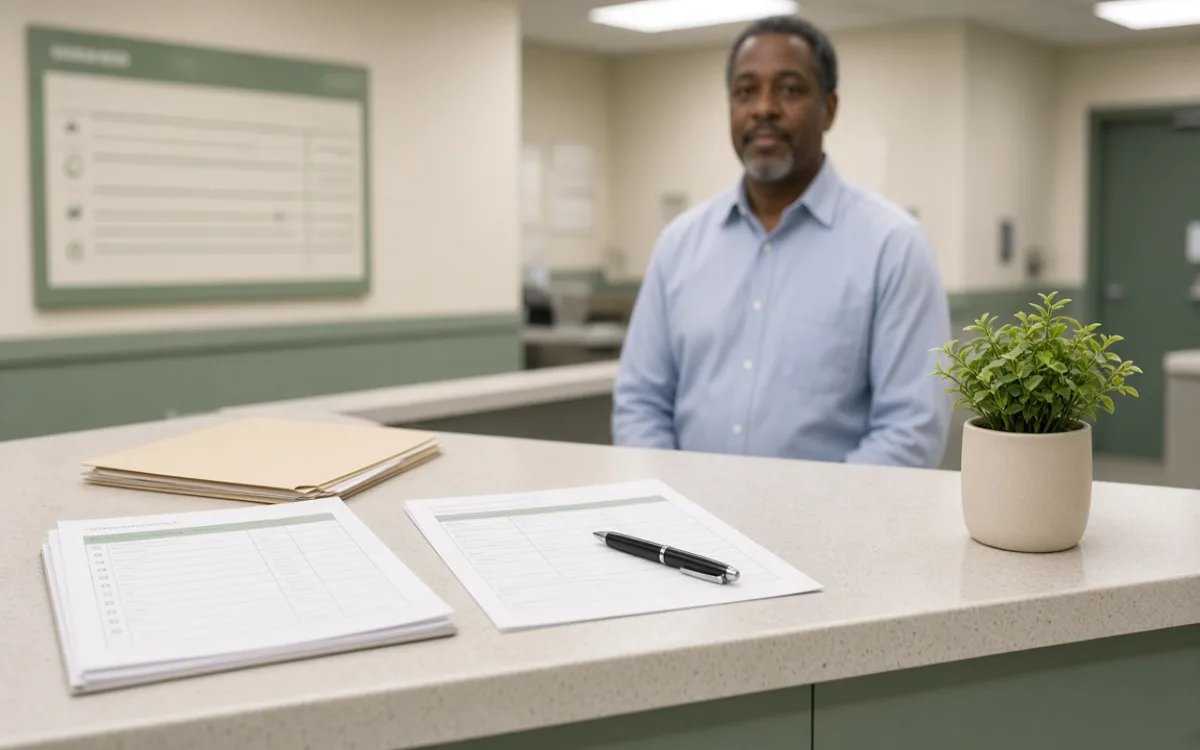
A sales team that finished three jobs last month in a neighboring county may apply the same checklist to your address. Permitting is local: roof pitch rules, fire setbacks, historical districts, and interconnection paperwork differ block by block more often than homeowners expect. The clerk at your building department sees your zip code every week. The installer may not have filed there in years.
Calling ahead is not about catching anyone in a mistake. It is about learning which documents move your file forward on the first submission instead of the third. A rejected plan set costs time whether or not you pay the re-submittal fee directly.
Six questions worth asking the permit desk
Write answers in a notebook — names, extension numbers, and exact form titles matter when you forward them to an installer. Keep the call focused; you are gathering requirements, not debating policy.
- Which permit application covers rooftop photovoltaic on a single-family home at my address — building only, or building plus electrical?
- Do you require a stamped structural letter from a licensed engineer for my roof type, or is a manufacturer mounting letter enough?
- Is there a separate interconnection application for the utility, and must it be approved before the building permit is issued?
- What setback distances from ridges, valleys, and roof edges apply here — and do they differ for flat versus pitched roofs?
- Are there homeowner association or historic overlay approvals the county expects to see attached before review starts?
- What is the typical review timeline for a complete first submission, and which missing items most often delay approval?
What answers often reveal
If question two comes back with “engineer stamp required for tile over battens,” you know to budget time for a structural visit before modules are ordered. If question three separates utility interconnection from county building, you can track two parallel timelines instead of assuming one approval covers both.
- Some counties publish solar checklists online — ask whether a current PDF exists and how recently it was updated.
- Clerks may refer you to the fire marshal for access pathways — note that as a second call, not an optional detail.
- Fee schedules change; request the published list rather than a verbal estimate if you need exact figures for planning.
- Ask whether digital submission is required — email plans fail when the portal expects searchable PDFs at a fixed page size.
Permits are not bureaucracy at the end of a project. They are the instructions for whether the project can start at all.
Turn the call into a one-page brief
After you hang up, compile a short summary you can paste into an email before the first site visit. Include the clerk’s name, required form numbers, and any “must attach” items mentioned twice. Flag conflicts early — if the county wants a structural letter but the proposal says “standard mount, no engineering,” that disagreement should surface in writing, not after delivery.
Installers who work your county regularly will recognize the forms you name. Those who hesitate may still be fine — but you will know to ask who handles their permit submissions and whether a local expeditor is involved. Your goal is not to become the permit officer. It is to enter the first meeting with the same checklist the county already uses, so equipment orders follow approval paths instead of racing ahead of them.