Why Roof Shade at Noon Matters More Than a Drone Photo
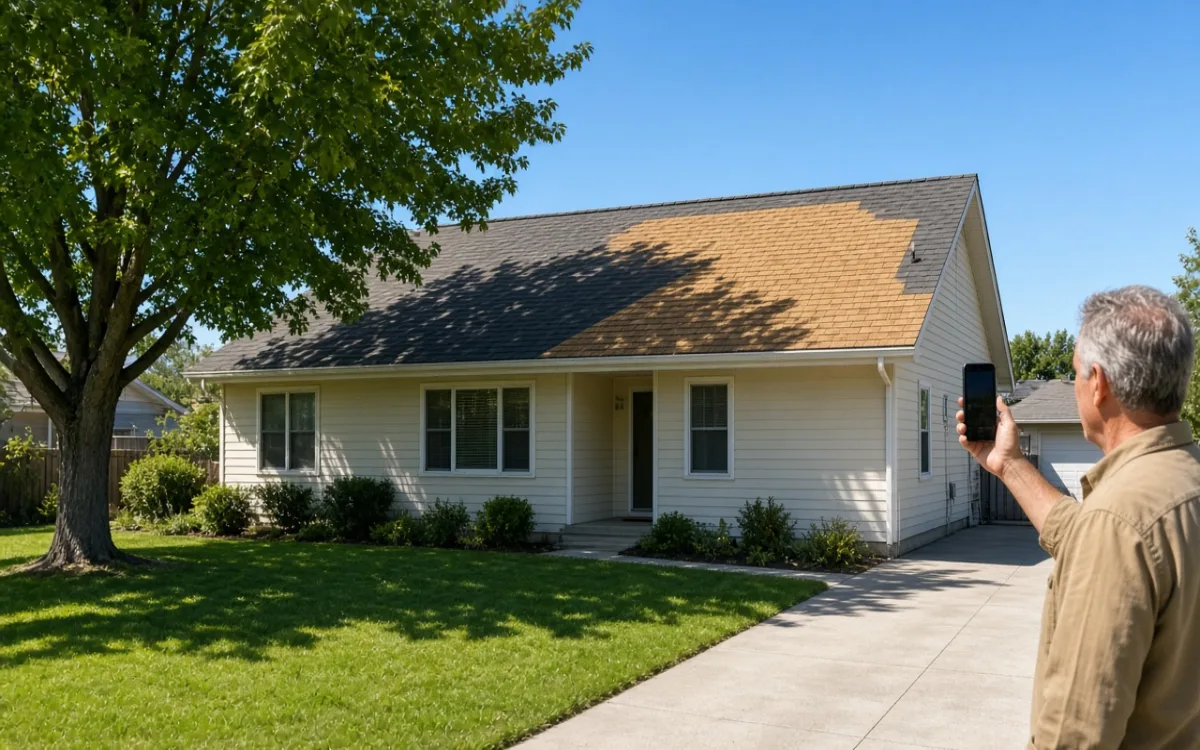
The drone image on your screen shows a clean south-facing plane. Walk to the driveway at noon on a clear day and a maple branch may already be carving a triangle across the exact rows where modules were drawn.
Production peaks when the sun is highest
Solar output climbs through the morning and levels off near solar noon — roughly the hour when shadows are shortest. That is also when many air conditioners hit full duty cycle. Shade at 11:30 or 12:15 costs more than the same shadow at 4:00 p.m., when production is already tapering.
Drone flights are often scheduled for calm wind and good light, which sounds ideal but may not match the moment that matters. A flight at 9:00 a.m. in spring can miss a branch that only crosses the array in midsummer. Aerial photos also flatten depth: a distant tree looks harmless until you stand beneath it and watch the shadow move across shingles minute by minute.
Winter sun comes from a lower angle
If you only look in June, you may never see what December does. Lower winter sun turns short south walls and porch roofs into long shadows. Chimneys and dormers cast farther than intuition suggests. A section that looks open in summer can spend winter mornings in shade.
You do not need a solar pathfinder on day one. Stand in the same spot once in a warm month and once in a cool month, both near midday. Note whether the shadow line moved onto different parts of the roof. That two-visit comparison catches seasonal shifts a single drone pass cannot.
Structures you forget you have
- A neighbor’s second story that clears your fence line but not your roof plane.
- A vent stack or satellite dish that throws a narrow shadow only when the sun is high.
- Deciduous trees that look bare in winter photos but leaf out before peak cooling season.
- Power lines that rarely appear in aerials because the camera looks straight down.
A fifteen-minute yard check anyone can repeat
Pick a clear day close to solar noon — within an hour either side is enough. Stand where the array would face the sun and watch the roof, not your phone screen. Mark the shadow edges with mental landmarks: a vent, a valley, the third row from the ridge.
- Face the primary roof plane and note where shadows start and stop.
- Walk to each corner of the house and repeat — shade from the east side differs from the west.
- Take one photo from eye level for your own records; keep the sun behind you when possible.
- Write down which trees or structures caused each shadow line — trim decisions start here, not in a proposal footnote.
A drone shows geometry. Your feet at noon show whether that geometry still earns sunlight when it counts.
When trimming is not the obvious fix
Cutting a beloved tree is not always acceptable, and sometimes it is not even legal without a permit. Micro-inverters or optimizers can reduce the impact of partial shade, but they do not create sunlight that is not there. The honest tradeoff is between fewer panels on a sunny section, equipment that handles mixed light, or accepting lower production on a shaded plane.
Bring your noon notes to the first site visit. If the salesperson’s layout ignores a shadow you watched cross the roof, ask why — before you sign anything. The best outcome is a layout that matches what your yard already told you, not what looked clean from two hundred feet up.