RoofMeter Guide — First the roof and the meter, then the panels: how to tell if your home is right for solar

Practical preparation guides for homeowners who want answers before the first installer visit

Most solar conversations start with equipment. Ours start with what your house already tells you: how much power you use, where shade falls at midday, and whether your roof and electrical service can support a safe installation. We walk through those steps so you know what to ask — not what to buy.

Learn More

Start With What Your Home Already Shows

Four areas where a little observation saves weeks of back-and-forth later

Household Consumption Patterns

Pull twelve months of utility records before anyone mentions panel count. Seasonal spikes from heating, pool pumps, or an EV charger change the conversation entirely. Knowing your baseline kWh helps you spot when a proposal assumes usage you do not actually have.

Roof Shade Through the Day

A clear morning does not guarantee a clear afternoon. Walk outside at three set times and note where shadows cross your best roof sections. Chimneys, vent stacks, and neighbor trees move differently than satellite images suggest.

Orientation and Roof Pitch

South-facing slopes are a starting point, not a verdict. East and west arrays can work when afternoon usage is high. Steep pitches affect mounting hardware and walkway clearance — details that belong in your notes before the ladder goes up.

Grid Connection and Meter Type

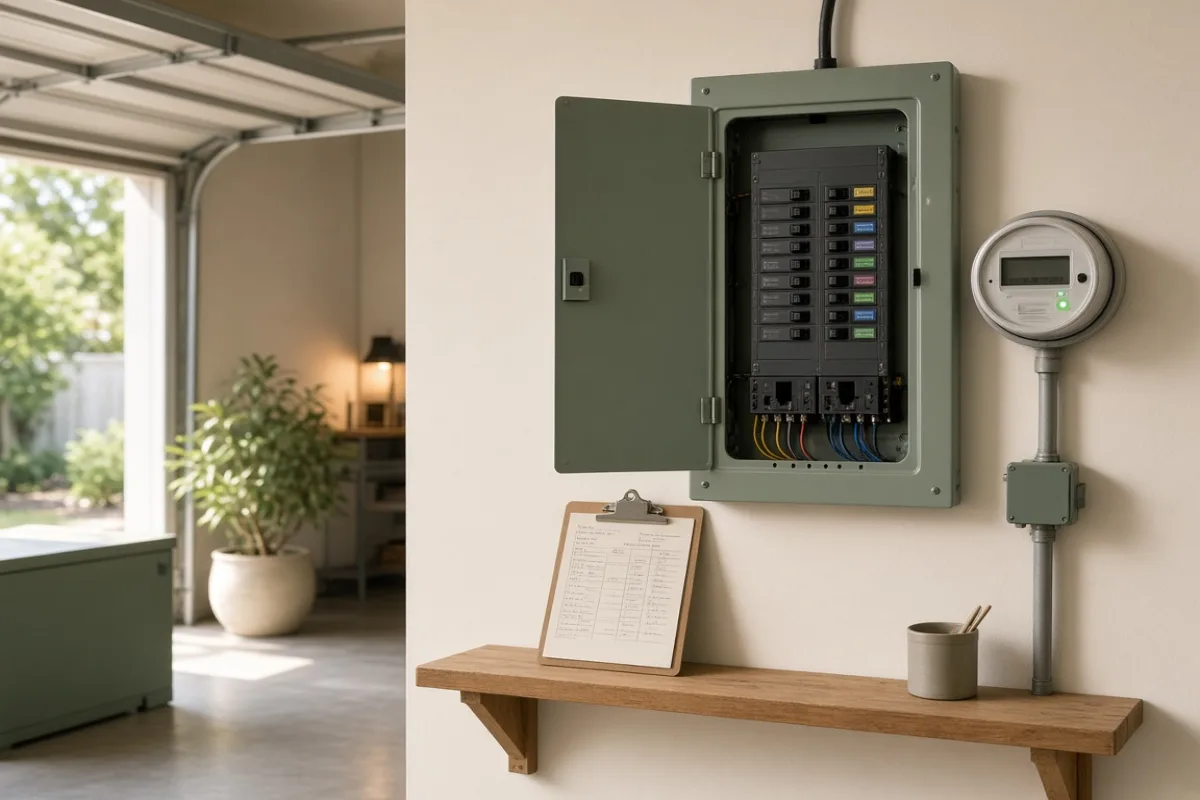
Your main panel rating, available breaker spaces, and meter configuration determine whether a system connects cleanly or needs upgrades. Photograph the label on your electrical panel and note whether your service is overhead or underground before scheduling site visits.

Residential garage wall with an open electrical panel showing labeled breaker switches, a digital utility meter mounted beside it, a clipboard with handwritten load notes clipped to a shelf below, daylight from an open garage door on the left, no brand logos, 1200x800

Permits, Installers, and Where DIY Ends

Most counties require building permits and an electrical inspection before a grid-tied system goes live. Ask your local office which documents they expect — site plans, structural letters, interconnection forms — so nothing stalls after panels arrive on the truck.

A licensed installation crew handles roof penetrations, conduit runs, and final commissioning. That is different from a handyman who offers to mount panels without pulling permits. Know the distinction before you sign anything.

Work inside your main panel, service disconnects, and grounding systems belongs to a licensed electrician. We explain what questions to ask; we do not walk you through live wiring.

Numbers That Shape Real Preparation

Benchmarks from the homeowner reviews we guide — not promises about your specific roof

12
Checks before the first installer call

Usage, shade, pitch, permits, and more

3
Roof orientations worth comparing

South, east, and west each tell a story

6
Permit questions for most counties

Forms vary — we list what to confirm

8
Common household load patterns

HVAC, EV, pool, and base load profiles

Recent Articles

Step-by-step notes from our latest homeowner reviews

Kitchen table with a spread-out utility bill showing bar graphs of monthly electricity use, a calculator, a pen, and a sticky note listing appliance names, morning light through a window on the left, no visible account numbers, 1200x750
4 min read Elena Morrison

What Your Utility Bill Reveals Before You Count Panels

Most homeowners skip straight to panel wattage. Your bill already shows seasonal swings, baseline loads, and the months where air conditioning dominates — clues that change how many modules actually make sense.

Read Article
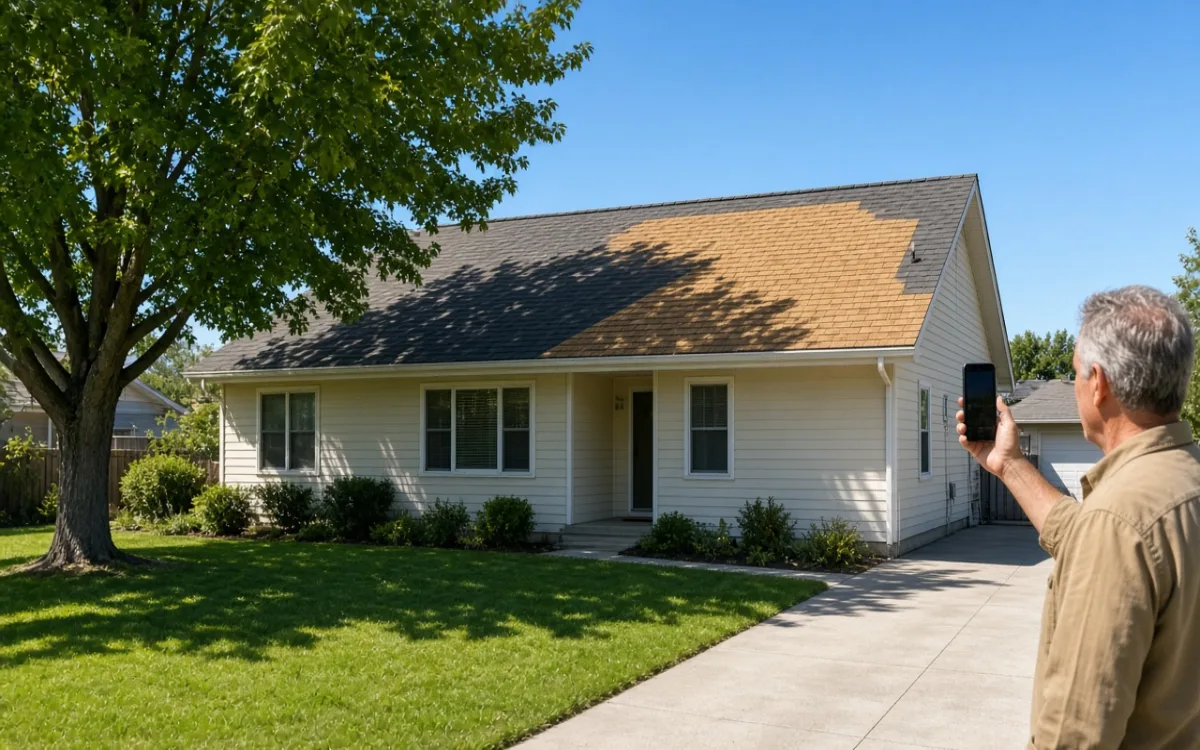
Single-story home roof viewed from the driveway at midday, a large maple tree casting a sharp triangular shadow across the south-facing slope, a person holding a phone for reference at the edge of frame, bright clear sky, no brand logos, 1200x750
3 min read James Whitfield

Why Roof Shade at Noon Matters More Than a Drone Photo

Drone surveys look impressive, but they often miss the hour when production peaks. Standing in your yard at noon reveals whether a branch, dormer, or neighbor roofline cuts into the space you assumed was open.

Read Article

What Homeowners Tell Us

Feedback from people who prepared before their first installer meeting

I brought six months of bills and photos of my panel to the first meeting. The installer said most people arrive with nothing. We caught that my garage sub-panel could not support the inverter location they first suggested — saved a rework before anything was ordered.

Margaret Reyes Retired teacher, Phoenix
Rating: 5 out of 5 stars

The shade checklist made me walk the property at different times. Turned out our big pine only blocked the roof after 2 p.m. — the morning array on the east slope was actually the better fit for our work-from-home schedule. Nobody had mentioned that angle before.

Daniel Kim Software developer, Raleigh
Rating: 5 out of 5 stars

We were ready to sign until I asked about the county permit timeline. The materials here helped me call the building department first. They needed a structural letter our roof type required — three extra weeks we had not planned for, but at least we knew before committing.

Susan Langford Small business owner, Denver
Rating: 5 out of 5 stars

Ready to Review Your Home Setup?

Tell us about your roof, shade, and utility records. We help you organize the questions worth asking before any installer visit — no equipment sales, no installation booking.

Important Information

The materials on this site provide knowledge about residential solar preparation — roof assessment, shade observation, utility review, and permit planning. They are intended to help you understand the steps involved before contacting licensed professionals.

RoofMeter Guide is not a solar installation company. We do not visit homes to mount panels, schedule installations, or provide project quotes. We are also not a retail store: we do not sell panels, inverters, batteries, or compare equipment brands and models.

We do not promise payback timelines, specific savings figures, zero utility bills, or free electricity. Tax credits, utility rates, and interconnection rules change by state and provider — consult official government and utility sources for current information.

Grid interconnection, work inside your electrical panel, and structural roof assessments require licensed electricians, engineers, and local authorities. Do not attempt these tasks yourself based on website content.

Every home differs in roof condition, shading, consumption, and budget. A plan that worked for a neighbor may not fit your property. Any decisions about system size, equipment, or contractors are yours alone.